
Our programs.
One living landscape.
Conservation in Loliondo only works when rangelands, rivers, wildlife, governance and livelihoods are addressed together.
Programs
Resilient landscape.
From grazing committees to girls’ education, every program supports the same goal: a Northern Loliondo where land, livestock, and wildlife sustain each other.
Rangelands
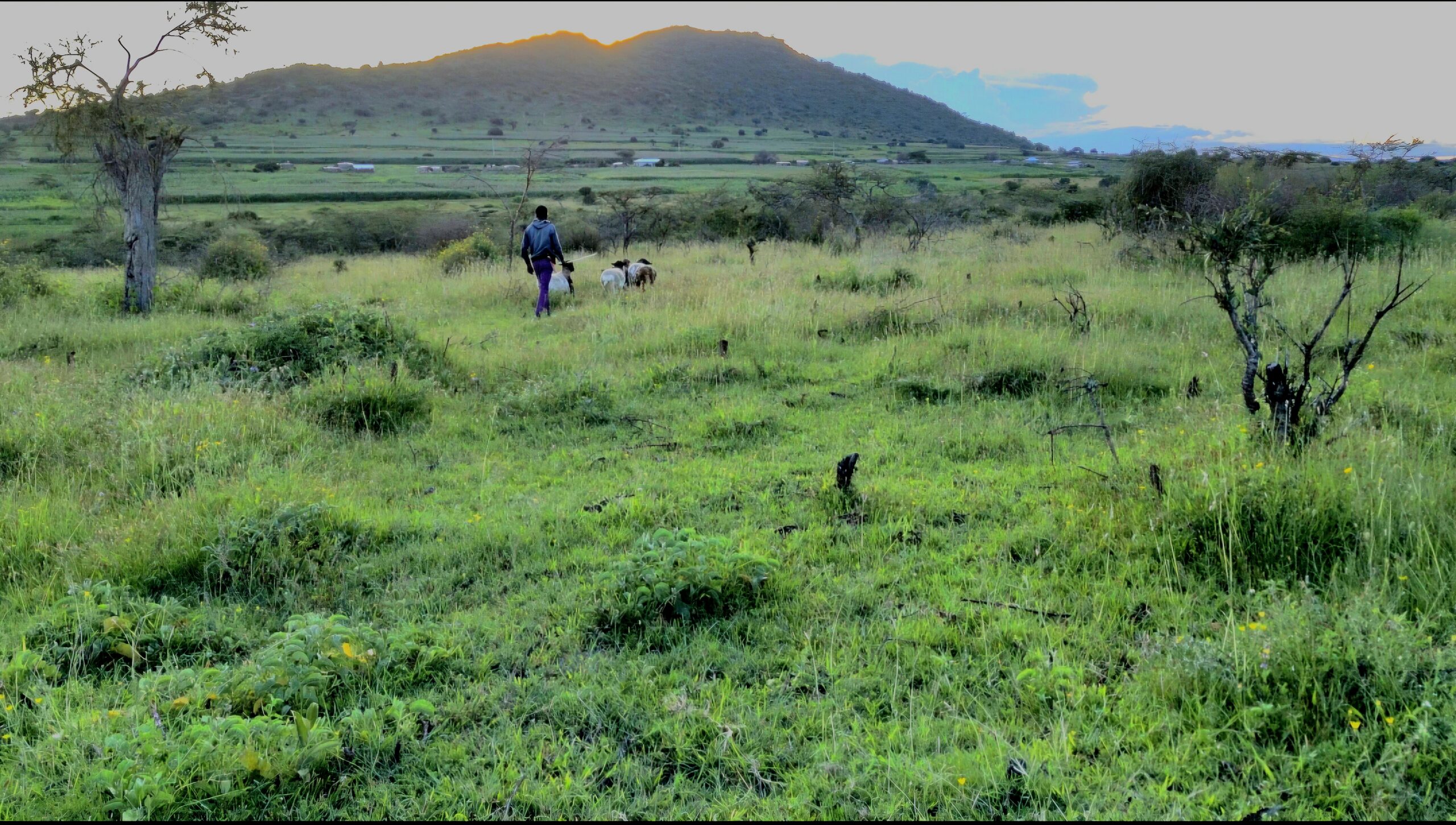
The Noloramata Rangeland programs focus on building the capacity of communities (villages) in grazing management through grazing committees and environmental conservation leadership. This is to ensure that rotational grazing is practiced to allow resting of some area without grazing for the next season. It supports villages to develop joint village land use plans by identifying their own priority areas for settlement, wet season grazing areas, dry season grazing area and adopting rotational grazing by passing villages by laws which will manage the planned area. It provides support to its community members (villages)for outreach activities, to increase awareness and support rangeland management.
Rangeland Restoration
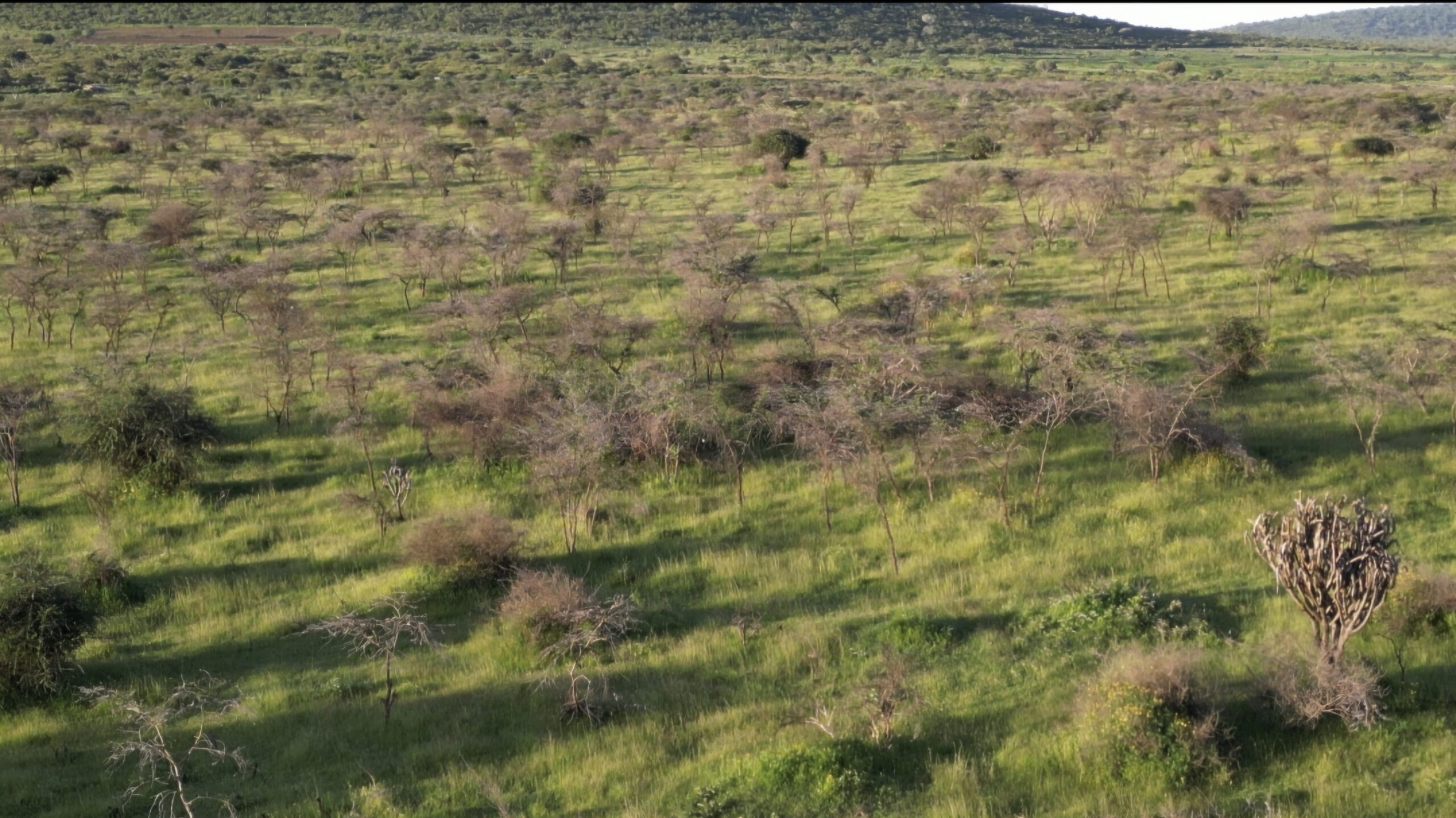
Acacia tree both Vachellia drepanolobium and Vachellia kirkii are tree which rapidly increase in Loliondo landscape and it is becoming very harmful and to be worse enough it displaces other valuable forage species, we engage the community with the support from donors to cut down these trees and leave for almost 5to 7 months in the ground during the rain seasons by putting into plot the cleared area without grazing so to allowed the accumulation of more grass and each year we clear 150 to 200 acres and finally after a given period of time we introduce controlled fire hence after the begin of the new rain season grasses which are palatable to both livestock and wildlife grow and finally the increase of savanna rangeland which is almost disappearing comes again.We aim to return by 100% The Loliondo plains to its original look in 10-20 years to back.
Wildlife
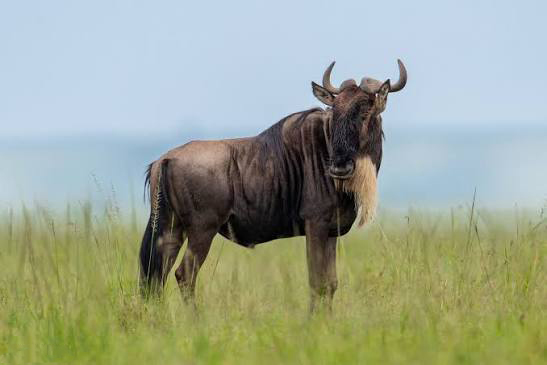
Wildebeest breeding grounds are in the Loliondo plains (Ang’ata Keri), which is the Noloramata operational area i.e., village land, counted as the second breeding area in great Mara Serengeti ecosystems after the Ndutu plains in Ngorongoro Conservations Area Authority which are between Ngorongoro crater and the northern plains of Serengeti national park after the Loita plains in Kenya displaced by settlement and rapidly private land fencing. With improved community engagement to take care of these land the safety of wildlife, including wildebeest, will increase, hence growth and stability of breeding area for wildebeests and other wildlife like zebra, antelopes, elephants, and others, including the predators. Noloramata -community engagement not only protects the presence of wildlife but also the coexistence of people, livestock, and wildlife, and hence the transformation of the lives of the Maasai indigenous community by adopting community-based tourism.
Livelihoods & Enterprises
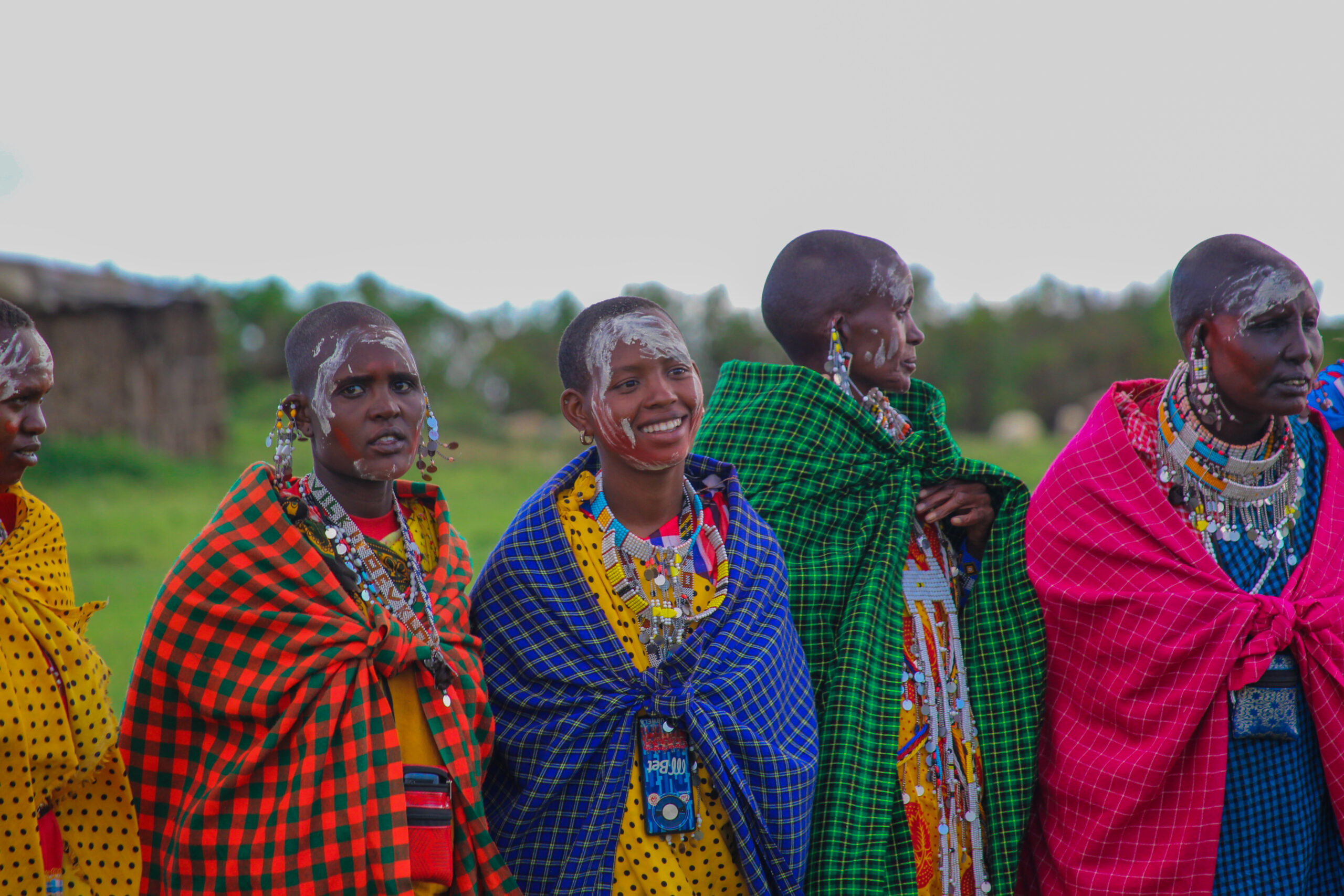
Noloramata aim to establish jeweler and beads initiatives to women groups as the alternatives way of economic diversifications and looking for market, also develops the individuals and groups capacity for women to start and manage enterprises such as savings, loans mobile banking, saving and credit cooperatives(SACCOS) green energy projects like beekeeping with aim to bring women and youth into the economic mainstream for the economic diversification rather than rely on livestock itself where by traditionally own by men. Noloramata works with the Maasai indigenous community to increase their capacity to develop sustainable livelihood options that reduce poverty and conserve rangeland and biodiversity in general.
Water
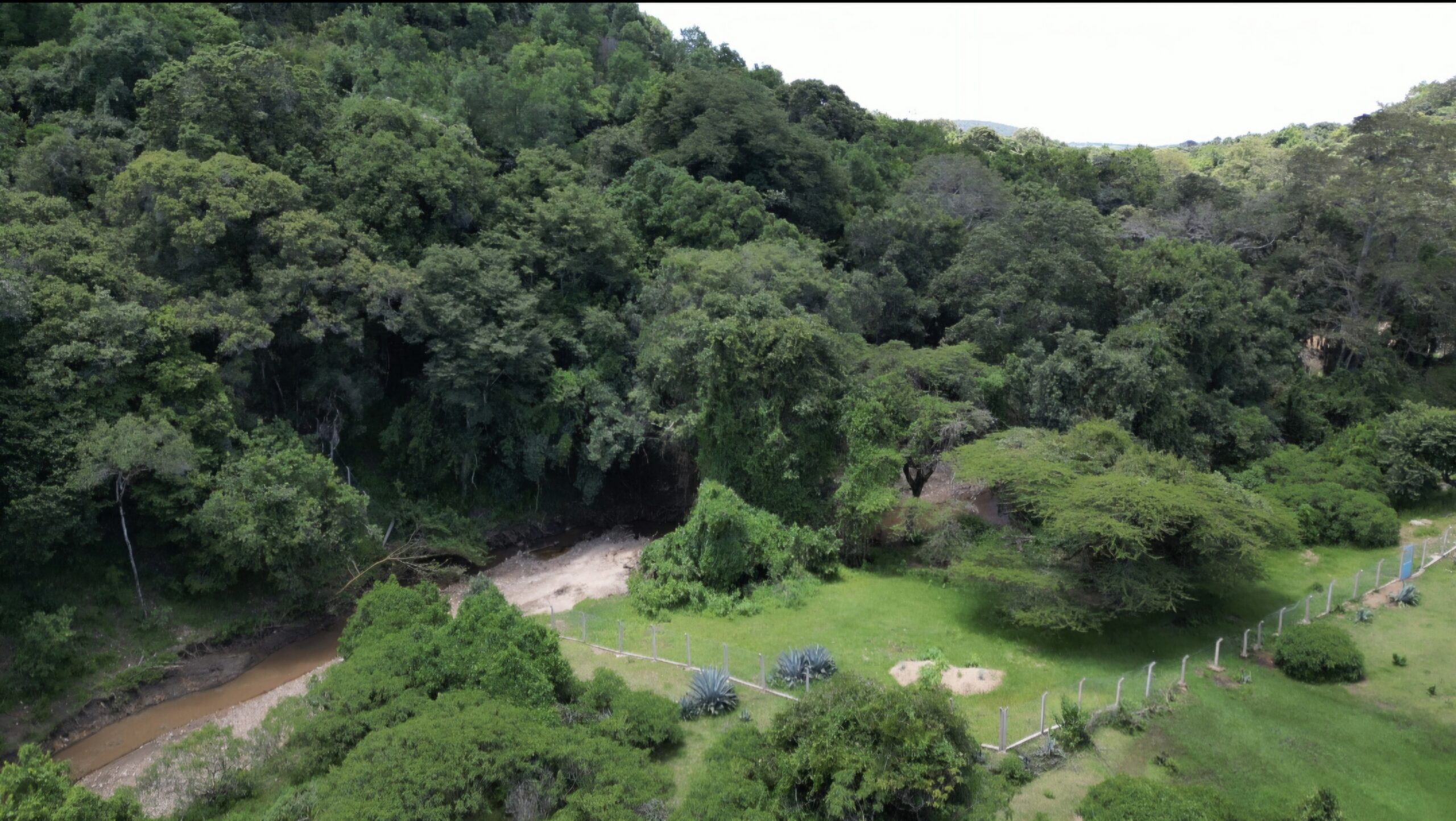
Northern Loliondo Rangeland management- Tanzania (NOLORAMATA), in its overall water programs, is to ensure that water investments and water natural resources like rivers and streams are planned and addressed seriously. Pololeti River is the main river in the heart of Noloramata operational area, with other rivers like Wasso river with more others both seasonal and permanent rivers. Our dynamic point is that these rivers should be conserved and preserved for the benefit of the whole great Mara Serengeti ecosystem and the Maasai pastoral indigenous community, who depend on them for the healthy rangelands. Water is a serious and important factor for the healthy rangeland. Drilling water for domestic use and for cattle is very important. Rainwater harvesting technology is an appropriate tool also to make sure rainwater’s harvested for domestic use as well. Sariani River, found in the southern part of both Oloirien and Magaiduru village, channels its water to Lake Natron through Mgongo village, Mageri, and Samunge village. Sariani water streams from Loliondo one forest and Sariani community forest through its tributaries of Oljalui, Olemboke, Olarani, and Olaloi to form the larger Sariani river. This River is so important not only in ecological perspectives but also in the pastoralist livelihood of the surrounding community. Its overall programs will restore these water sources together with the community and its water catchment and watershed in general by fencing about 2.5 Ha.
Education
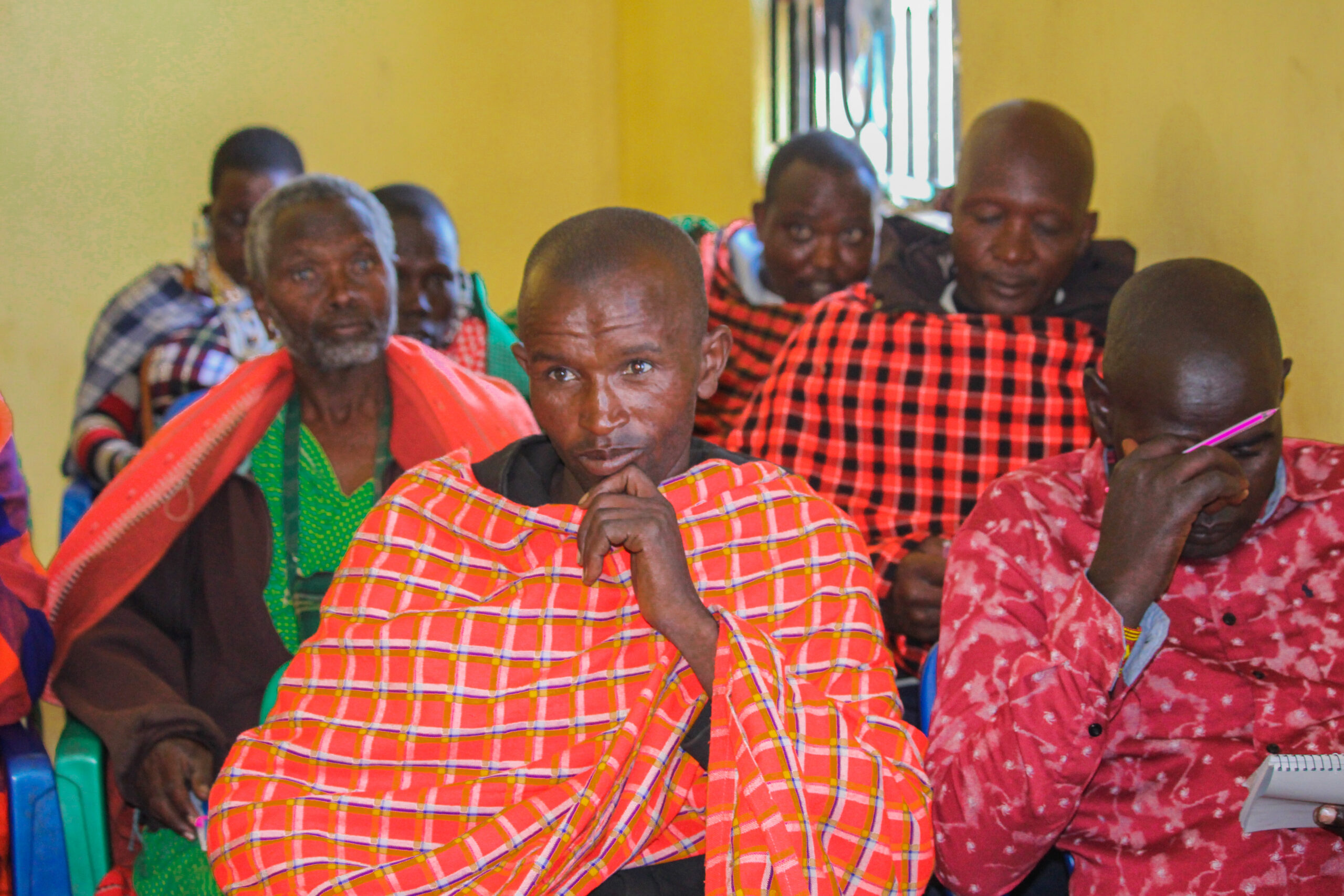
Maasai Women have experienced high levels of marginalization both economically and socially, to break that gape we aims women and Youth to played a great role in our activities and we take into serious considerations women empowerment not only in economic perspectives but also in social outlook, pastoral community across don’t bank on give the priority for the girl child in education and here as Noloramata it is our approach to women to be like men in the community, so we provide both lower and high education to those girls who are disadvantages across our working scope.