screenshot 2026 06 24 at 21 30 42 noloramata — northern loliondo rangeland management

News & Events

Protecting Water, Restoring Nature: NOLORAMATA Launches the Sariani Water Source Protection Project
25 July 2026 | Oloirien and Magaiduru Wards, Ngorongoro District, Tanzania

Clean water begins with a protected source. On 25 July 2026, NOLORAMATA, together with the communities of Oloirien, Magaiduru, and neighboring villages, officially launched the Sariani Water Source Protection Project—a community-led initiative that strengthens water security, restores ecosystems, and improves the well-being of thousands of pastoralist families in Northern Tanzania.

A Lifeline for More Than 40,000 People

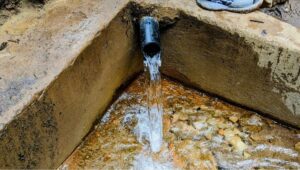
The Sariani spring is one of the most important freshwater sources in the area, providing clean water for more than 40,000 people across Oloirien, Magaiduru, and neighboring villages. The spring supports households, livestock, and local livelihoods while also sustaining the wider ecosystem that contributes to the ecological integrity of the Lake Natron landscape.

Protecting this water source is therefore not only an investment in community health and livelihoods but also in biodiversity conservation and climate resilience.

Community-Led Conservation in Action

In 2025, NOLORAMATA partnered with local communities to restore and safeguard the Sariani spring from increasing environmental degradation.

Key restoration activities included:

  • Installation of protective fencing around the water source.
  • Rehabilitation of the spring to improve water flow and reduce degradation.
  • Protection of the catchment area from damage caused by livestock and wildlife.
  • Mobilization of local communities to take an active role in long-term conservation and management.

These interventions have helped create a safer and healthier environment for both people and nature while ensuring the sustainability of this vital water source.

A Shared Commitment Between Communities and Government

The official launch brought together senior government leaders, development partners, and local communities, including:

  • The Ngorongoro District Commissioner
  • The District Executive Director
  • The Chairperson of the Ngorongoro District Council
  • Representatives from RUWASA Ngorongoro
  • Village leaders and community members

Their participation highlighted the importance of collaboration in protecting natural resources and improving access to essential services.

Expanding Access to Safe Water

During the launch, NOLORAMATA called upon the Government, through RUWASA, to invest in water infrastructure that will transport water from the protected Sariani spring to nearby communities.

Such an investment would:

  • Improve access to safe and reliable water.
  • Reduce the long distances travelled by women and children to collect water.
  • Support healthier communities and stronger livelihoods.
  • Build resilience against the impacts of climate change.
A Legacy for Future Generations

As part of the ceremony, NOLORAMATA officially handed over responsibility for the protected water source to the surrounding communities, encouraging them to continue safeguarding this shared natural resource.

The organization emphasized that the long-term success of the project depends on community ownership, responsible management, and continued collaboration between local communities, government institutions, and development partners.

Project at a Glance

Project: Sariani Water Source Protection Project

Location: Oloirien and Magaiduru Wards, Ngorongoro District, Tanzania

Project Started: 2025

Official Launch: 25 July 2026

People Benefiting: More than 40,000

Focus Areas:
  • Water security
  • Ecosystem restoration
  • Community-led conservation
  • Climate resilience
  • Sustainable natural resource management
Restoring ecosystems. Protecting water. Empowering communities.

Through the Sariani Water Source Protection Project, NOLORAMATA continues to demonstrate that lasting conservation is achieved when communities are empowered to protect the natural resources on which their lives and livelihoods depend.

Scroll to Top